
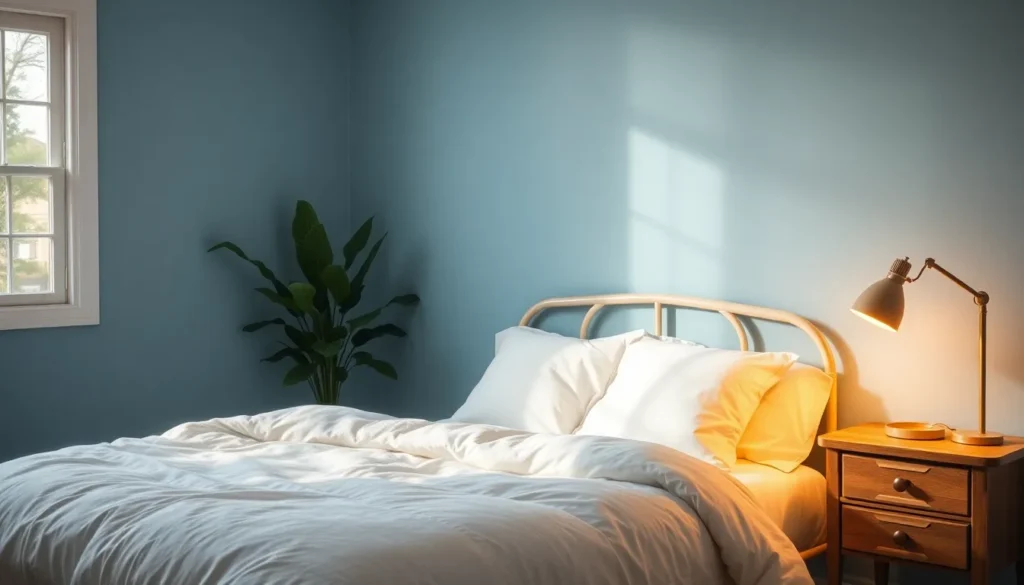
When it comes to catching those elusive Z’s, the color of your bedroom might just be the secret ingredient you’ve been missing. Picture this: you walk into a room painted in a soothing hue, and suddenly, the stress of the day melts away. But wait, what color should that be? Is it tranquil blue, calming green, or perhaps a cozy lavender?
Choosing the right color isn’t just about aesthetics; it’s about creating a sanctuary for sleep. Research shows that certain colors can significantly impact mood and relaxation. So, before you dive into a paint can frenzy, let’s explore which shades can transform your sleep space into a dreamy haven. After all, who wouldn’t want to wake up feeling refreshed instead of resembling a coffee-deprived zombie?
Understanding Sleep and Its Importance
Sleep plays a vital role in maintaining overall health and well-being. Quality rest significantly influences cognitive function, emotional balance, and physical health. A lack of sleep increases the risk of various conditions, including obesity, heart disease, and diabetes. Improved sleep can lead to better productivity, enhanced mood, and sharper focus.
During the sleep cycle, the body undergoes several processes that are essential for recovery. Deep sleep allows for muscle repair and growth while facilitating the release of hormones that regulate appetite and stress. Successful sleep contributes to memory consolidation, helping individuals retain information better.
Sleep environments affect sleep quality. Colors in the bedroom create a specific atmosphere that can either support or hinder restful sleep. Choosing soothing shades like blue and green can promote tranquility, while brighter colors may disrupt relaxation. Calming colors contribute to a serene environment conducive for drifting off.
Sleep science suggests optimal sleep duration typically ranges from seven to nine hours for adults. Individual variations can exist, but consistently achieving this range enhances physical resilience and emotional stability. Prioritizing sleep helps the body recover while supporting mental clarity and overall performance.
Understanding the significance of sleep and the impact of color on rest can transform bedrooms into sanctuaries of relaxation. Focus on creating a peaceful sleep environment through color choices, thus enhancing sleep quality.
The Science of Color Psychology
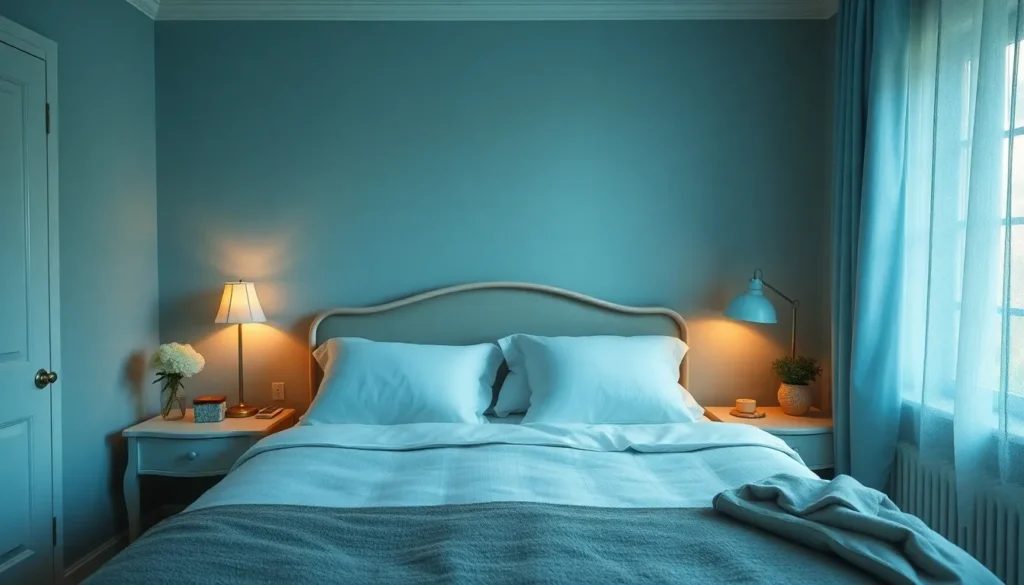
Understanding color psychology plays a significant role in promoting restful sleep. Different colors evoke specific emotional responses, influencing mood and sleep quality. Studies show that softer colors like blue and green can instill calmness. In contrast, louder hues such as red and yellow may stimulate energy, which can disrupt relaxation.
How Colors Affect Mood and Sleep
Colors directly impact emotional well-being, subsequently affecting sleep patterns. Tranquil blue promotes feelings of serenity, leading to easier sleep onset. Calming green fosters relaxation and may lower anxiety levels. Cozy lavender creates a gentle atmosphere, enhancing comfort. Choosing soothing shades can elevate mood and contribute to a restful environment.
The Role of Light in Sleep Quality
Light quality and color temperature significantly influence sleep quality. Bright white light can hinder melatonin secretion, making it harder to achieve restful sleep. In contrast, warm light fosters relaxation, signaling that it’s time to wind down. Adjusting bedroom lighting to amber or soft yellow enhances calmness, promoting better sleep hygiene. These elements create a conducive atmosphere for restorative rest.
Popular Colors and Their Impact on Sleep
Color selection in the bedroom plays a crucial role in influencing sleep quality. Each color generates specific emotional responses that affect relaxation and comfort.
Blue: The Calming Effect
Blue is renowned for its calming properties. This color significantly reduces heart rates and promotes tranquility. Evidence shows that bedrooms painted in soft blue shades enhance feelings of serenity. People often report deeper, more restful sleep when surrounded by this hue. Blue transforms environments into peaceful oases, ideal for winding down at day’s end.
Green: The Restorative Vibes
Green evokes feelings of restoration and harmony. This color mirrors nature, helping to reduce stress levels effectively. Soft green tones contribute to a serene atmosphere, boosting relaxation. Studies suggest that individuals in green rooms often find it easier to fall asleep. Embracing green in bedroom décor fosters a rejuvenating environment for sleep.
Yellow: The Cheerful Influence
Yellow captures attention with its cheerful energy. However, bright shades of yellow may overwhelm one’s senses. These vibrant tones can stimulate one’s mind, making relaxation more elusive. Opting for muted yellow shades can create a balance between cheer and calmness. Choices in yellow have potential influence on mood, yet caution is advised for optimal sleep.
Red: The Stimulating Nature
Red captures excitement and energy, often perceived as stimulating. This color may inadvertently disrupt a tranquil sleep environment when overused. Exposure to red light can elevate heart rates and increase alertness. Bright red tones often evoke passionate feelings, complicating the winding-down process. Red should typically be approached with care in sleep settings.
Choosing the Right Color for Your Space
Selecting the right color for a bedroom significantly affects sleep quality. Both color and its psychological impact play vital roles in creating a calming atmosphere.
Color Combinations for Optimal Sleep
Combining colors enhances their effects on relaxation. Soft blue with muted gray creates a serene feel, encouraging restfulness. Pairing light green with warm beige can evoke natural tranquility, mimicking earthy tones. Lavender mixed with soft white promotes comfort and serenity, providing a cozy retreat. These combinations work together to nurture a peaceful environment, essential for restorative sleep.
Personal Preferences and Sleep Quality
Individual preferences heavily influence color choice in sleep environments. While one person may find calming blue ideal, another might prefer soothing green. Understanding personal reactions to different hues is crucial; colors that resonate positively can enhance relaxation and support restful sleep. Creating a space that feels comfortable and inviting ultimately leads to improved sleep quality, highlighting the importance of aligning color choices with personal comfort and emotional well-being.
Choosing the right color for a bedroom is essential for fostering a peaceful sleep environment. Soft hues like blue and green can significantly enhance relaxation and reduce stress levels, promoting better sleep quality. Meanwhile, brighter colors may disrupt tranquility and lead to restless nights.
By understanding the psychological effects of color, individuals can create a sanctuary tailored to their preferences and needs. Whether it’s the calming influence of lavender or the restorative vibes of green, the right shade can transform a bedroom into a restful retreat. Prioritizing color choices along with appropriate lighting can ultimately lead to more refreshing and restorative sleep.