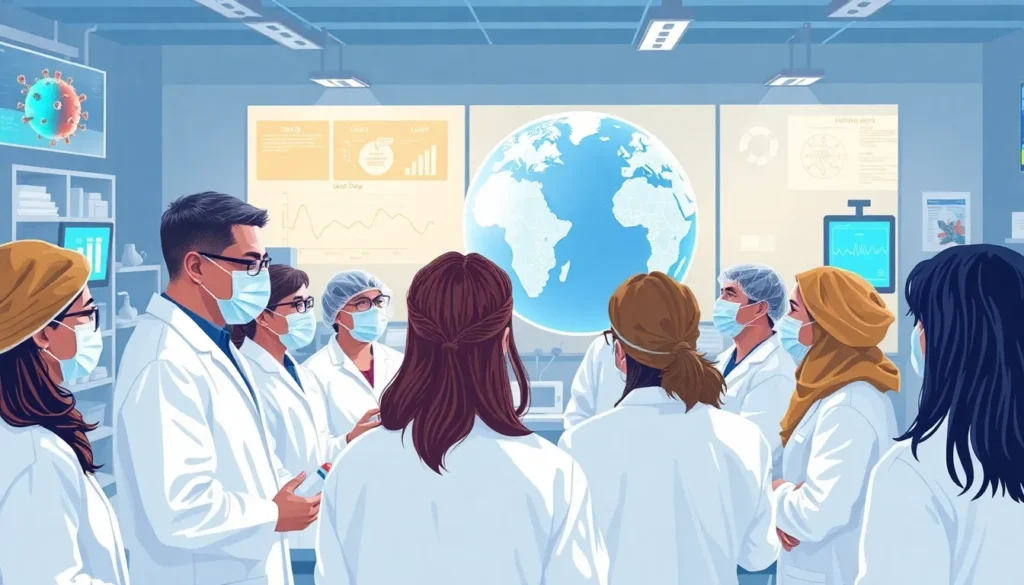

Picture this: a future where humans have evolved into beings with telepathic abilities, glowing skin, and an insatiable craving for kale. While that might sound like a sci-fi flick gone wrong, the reality of human evolution is far more fascinating. As technology advances and our environment shifts, the next chapter in our evolutionary tale could be just around the corner.
Overview of Human Evolution
Human evolution represents a complex journey shaped by various biological, environmental, and social factors. Over millions of years, the hominin lineage has undergone transformation, leading to anatomically modern humans known as Homo sapiens. Key milestones include the development of bipedalism, which allowed early humans to travel efficiently across diverse terrains, and the use of tools that enhanced survival rates.
The migration out of Africa around 60,000 years ago marked a significant shift in human evolution. Diverse environments prompted adaptations in physical traits, leading to variations in skin color, body structure, and cultural practices among populations. For example, people living in sunnier regions typically developed darker skin, which provided protection against UV radiation.
Technological advancements have played a pivotal role in shaping human evolution. The invention of agriculture approximately 10,000 years ago revolutionized human societies, leading to settled lifestyles and population growth. Communication and social structures evolved as communities formed, resulting in complex societies.
Current research points to continued evolution influenced by genetic factors and environmental changes. Genetic mutations and adaptations may arise as humans face new challenges, including climate change and pandemics. Furthermore, biotechnology and genetic engineering have potential implications for future evolution, possibly allowing humans to enhance physical and cognitive abilities.
Understanding human evolution offers valuable insights into potential future pathways. Predicting how these changes will manifest remains speculative, but the interplay of genetics, environment, and technology guarantees continued evolution.
Factors Influencing Future Evolution
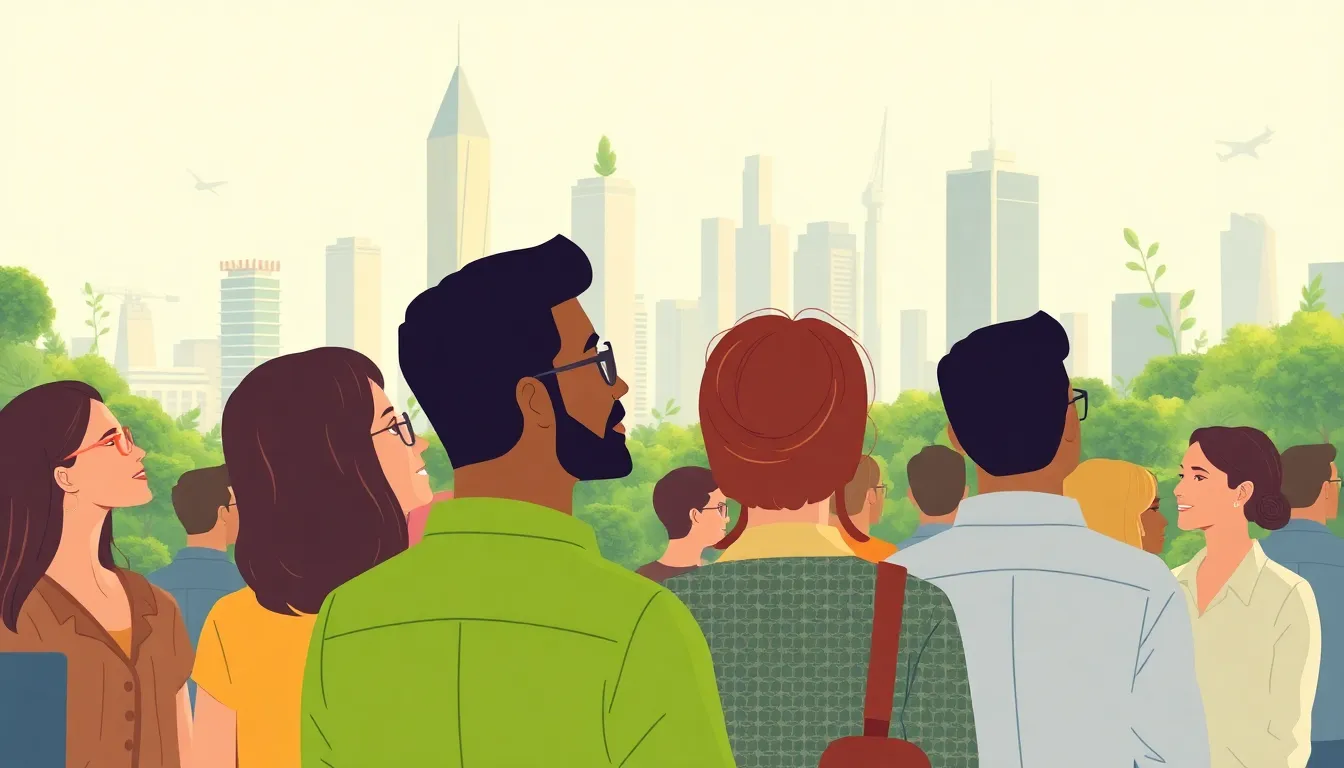
Human evolution continues to be shaped by a variety of factors, including environmental changes and technological advancements.
Environmental Changes
Climate alterations impact natural selection processes. Rising temperatures force humans to adapt physiologically or behaviorally. Increased exposure to extreme weather events might lead to genetic variations that enhance survival. Changes in flora and fauna could shift dietary habits, encouraging the development of traits suited for new environmental conditions. As urban areas expand, adaptation to dense populations may drive changes in social behavior and health.
Technological Advancements
Technological progress alters human development trajectories. The rise of genetic engineering allows targeted modifications at the DNA level. Enhanced medical technology promotes longer lifespans, potentially affecting reproductive patterns. Innovative communication tools influence social structures and interactions, which can in turn affect genetic diversity. AI advancements may lead to new cognitive behaviors, fostering unique adaptation strategies to an increasingly digital world.
Predictions for Human Evolution
Future human evolution may involve intriguing physical adaptations and groundbreaking cognitive developments. These changes depend on various factors, including environmental challenges and advancements in technology.
Physical Adaptations
Rising temperatures may compel humans to develop traits that enhance heat tolerance. Increased melanin levels could offer protection against UV radiation, while alterations in skin structure might facilitate better transpiration. Additionally, dietary changes, potentially driven by urban living, may lead to modifications in digestive systems. With biotechnology’s influence, genetic traits that favor health and longevity might become prevalent, further shaping human biology. Such physical adaptations illustrate how an evolving environment influences human characteristics.
Cognitive Developments
Technological advancements might significantly impact cognitive evolution. Enhanced communication tools could sharpen social interactions, fostering new methods of information sharing. Improvements in artificial intelligence may lead to greater reliance on technology, reshaping cognitive functions. Increased exposure to digital environments might enhance multitasking skills but could also influence attention spans. Future generations may exhibit a different set of cognitive skills, influenced by the interplay between technology and daily life. These cognitive changes suggest ongoing adaptations to a rapidly evolving world.
Ethical Considerations
Ethical considerations play a crucial role in the conversation around future human evolution. Potential developments in this area raise important questions about responsibility and societal impacts.
Genetic Engineering
Genetic engineering holds the promise of steering human evolution in unprecedented ways. It could enable the modification of specific traits associated with health and longevity. Concerns arise about equity, access, and the potential for creating genetic disparities within societies. Regulatory frameworks need to ensure that these technologies promote shared benefits rather than exacerbate inequality. The implications for personal choice and long-term consequences of designer genetics warrant careful examination.
Sustainability
Sustainability factors significantly in future human evolution discussions. Environmental challenges lead to questions about how human adaptations align with ecological balance. Living in urbanized settings requires shifts in consumption habits, impacting dietary choices and resource use. Emphasizing sustainable practices can promote a healthier interaction with the environment. Future evolution may depend on fostering a symbiotic relationship with nature that prioritizes ecological stability and supports human well-being.
The future of human evolution presents a fascinating landscape filled with possibilities. As environmental and technological changes continue to shape humanity, adaptations will likely emerge in response to new challenges. Enhanced cognitive abilities and physiological changes may redefine what it means to be human in an increasingly complex world.
Ethical considerations will play a crucial role in guiding these developments, ensuring that advancements benefit all rather than create disparities. The need for sustainable practices will remain paramount as humans navigate their evolving relationship with the environment. Ultimately, while the specifics of future evolution are uncertain, the journey will undoubtedly reflect humanity’s resilience and adaptability in the face of change.