
Imagine stepping into your garden and being greeted by the delightful aroma of fresh rosemary. It’s like a warm hug from your favorite herb. But here’s the million-dollar question: does rosemary come back every year, or is it just a one-hit wonder?
For those who’ve tried their hand at gardening, the thought of losing a beloved herb can be as heartbreaking as a rom-com ending. Luckily, rosemary is more resilient than your average houseplant. This evergreen herb not only adds flavor to your dishes but also has a knack for sticking around. So, let’s dive into the world of rosemary and uncover whether this aromatic delight will grace your garden year after year.
Overview of Rosemary
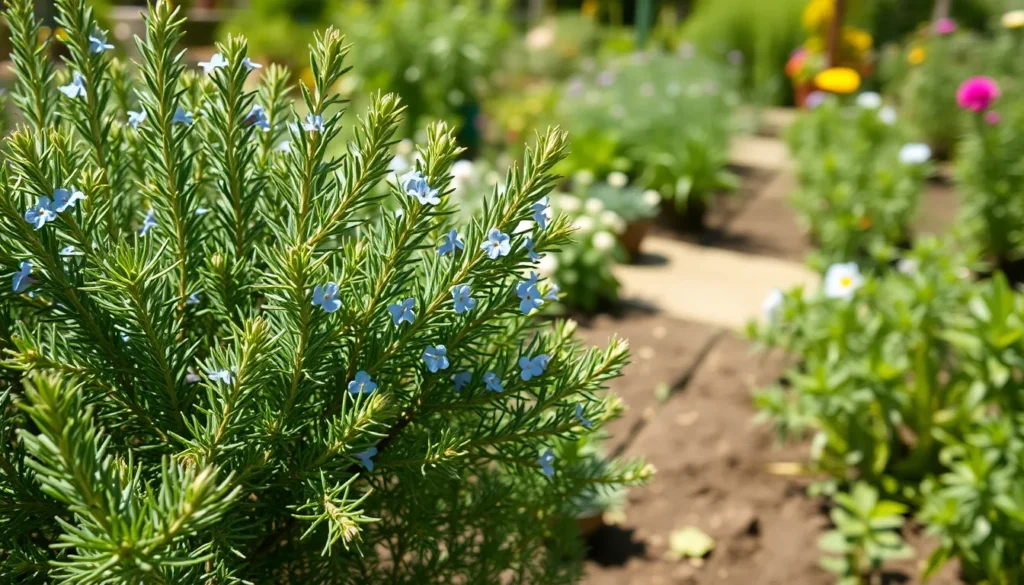
Rosemary is an evergreen perennial herb, well-regarded for its culinary uses and aromatic properties. It thrives in diverse climates, making it a popular choice for gardeners across the globe. This herb can reach heights of up to 5 feet and features needle-like leaves that contain potent oils.
The growth habit of rosemary varies depending on the variety. Trailing varieties spread outwards, while upright varieties grow vertically. Both types showcase blue or purple flowers, attracting bees and other pollinators, which contributes to the backyard ecosystem.
Regular watering ensures optimal health, but rosemary prefers well-drained soil. This herb exhibits drought tolerance, allowing it to flourish with minimal care. Gardeners appreciate its resilience, as it withstands cooler temperatures and can even survive short snowfalls in warmer zones.
In terms of pruning, this herb benefits from seasonal trimming, which promotes dense growth. Harvesting leaves encourages new growth, providing fresh seasoning for dishes throughout the year. The essential oils contained in rosemary also lend aromatic qualities when used in crafting homemade products.
Understanding its light requirements is crucial for successful growth. Rosemary favors full sunlight, which enhances its flavor and vigor. High light exposure increases oil production, enriching its potent aroma and taste.
Ultimately, rosemary is both a practical and ornamental addition to gardens. Its ability to return year after year enriches the growing experience and provides culinary delights. When cared for properly, it continues to thrive, making it a beloved herb among many gardeners.
Perennial Nature of Rosemary
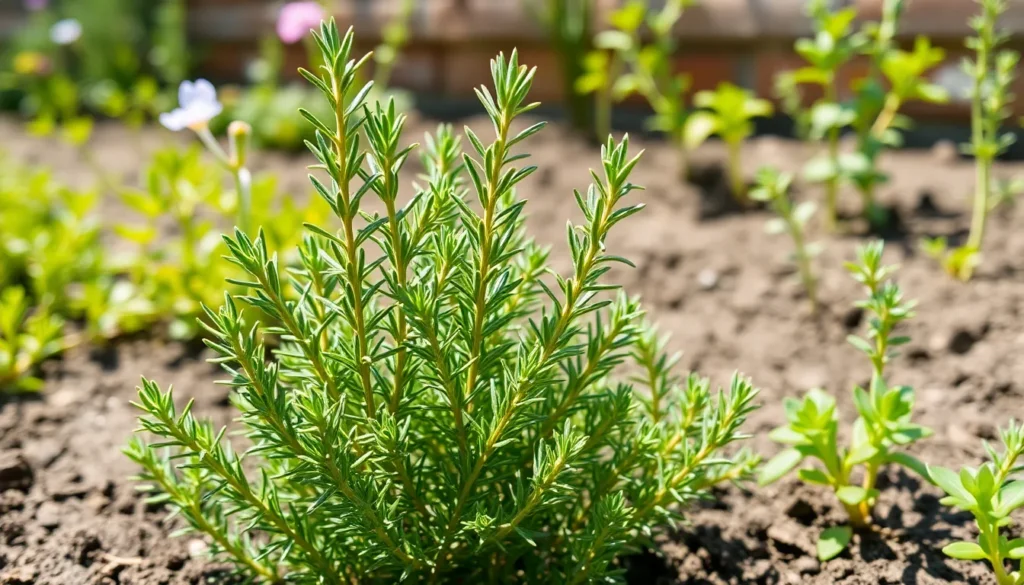
Rosemary is a perennial herb, meaning it survives year after year without needing to be replanted. Gardeners appreciate its resilience and ability to thrive in various conditions.
What Does Perennial Mean?
A perennial plant lives for more than two years. This lifespan is in contrast to annual plants, which complete their life cycle in one growing season. Perennials like rosemary return in spring after dormancy in winter. They can provide consistent growth, making them an ideal choice for herb gardens. Understanding this definition reinforces the value of rosemary as a long-term investment in a garden.
Climate Considerations for Growth
Different climates affect rosemary’s growth and survival. It thrives in USDA hardiness zones 6 to 10, where temperatures remain milder. These zones promote healthy year-round growth. In colder regions, providing winter protection can help rosemary survive. Ensuring well-drained soil and adequate sunlight contributes to its resilience, allowing it to flourish even in diverse climatic conditions. Proper care during extreme weather ensures rosemary’s perennial nature remains strong.
Growing Rosemary in Different Climates
Rosemary adapts well to various climates, but its success largely depends on temperature and moisture. Gardeners should consider these factors when planting this resilient herb.
Mild Climates
In mild climates, rosemary thrives year after year. Zones 6 to 10 provide optimal conditions for healthy growth. Gardeners enjoy the benefit of high soil drainage and ample sunlight, which boosts flavor and aroma. Plants can grow quite large, reaching heights of up to 5 feet, and show off their striking blue or purple flowers from late spring to summer. Even during the winter, rosemary retains its foliage, offering year-round beauty and culinary use. Regular pruning stimulates new growth and keeps plants compact.
Cold Climates
Colder climates present unique challenges for rosemary survival. In USDA zones below 6, winter temperatures can damage or kill rosemary plants. Although hardier varieties exist, providing winter protection becomes crucial. Placing rosemary in pots allows for easy relocation indoors during extreme cold. Alternatively, mulching and using row covers can shield plants from harsh conditions. With proper care and attention, rosemary can endure these climates, returning each spring with renewed vigor. Gardeners must monitor temperature fluctuations to ensure consistent growth.
Care Tips for Year-Round Rosemary
Caring for rosemary ensures its longevity. This herb thrives on attention, especially during pruning and maintenance.
Pruning and Maintenance
Pruning promotes dense, bushy growth. Conduct this task in early spring before new growth starts. Remove any dead or woody stems to stimulate fresh shoots. Maintaining a well-shaped plant encourages airflow, reducing disease risks. Regular harvesting also benefits rosemary; snipping leaves triggers new growth, providing fresh herbs throughout the year. Consider using clean, sharp scissors to avoid damage while pruning.
Soil and Water Requirements
Well-drained soil is essential for rosemary’s health. Sandy or loamy mixes work best, preventing root rot. Adequate drainage allows excess water to escape. Watering should occur when the top inch of soil feels dry. This herb prefers to dry out between waterings, showcasing its drought tolerance. Overwatering leads to stressed plants, making them susceptible to pests and diseases. Observing these soil and water guidelines promotes robust, vibrant rosemary plants.
Harvesting Rosemary
The optimal time to harvest rosemary occurs just before the plant flowers. Early morning is ideal, as the essential oils are most concentrated at this time. Cutting sprigs promotes bushy growth rather than extending thin, leggy stems.
When harvesting, use sharp shears to make clean cuts. Taking no more than one-third of the plant ensures continued vigor while allowing enough foliage for photosynthesis. Sprigs can be removed individually or entire stems can be cut to ground level for rejuvenation.
Storing freshly harvested rosemary requires proper methods to maintain freshness. Drying rosemary can be done by hanging sprigs upside down in a cool, dark location. Once dried, it can be stored in airtight containers for long-lasting use.
Keeping rosemary’s flavor and aroma intact involves minimal processing. Chopping leaves enhances flavor intensity, making it a favorite for seasoning dishes. Additionally, rosemary can be frozen in ice cube trays with water for convenient use, ensuring flavor is preserved.
Regular harvesting also encourages new growth, providing a continuous supply throughout the growing season. The key is to balance harvesting with maintenance, avoiding over-harvesting that could damage the plant’s overall health.
Seasonal pruning serves as an opportunity to harvest. Remove dead or woody stems to rejuvenate the plant, promoting healthy new leaf production. A well-cared-for rosemary plant thrives, showcasing the benefits of consistent harvesting practices.
Rosemary proves to be a reliable companion for gardeners year after year. Its perennial nature ensures that with proper care it will return each spring, ready to enhance culinary creations and provide aromatic joy. Gardeners can confidently invest in this resilient herb knowing it thrives in various climates, particularly in milder zones.
By understanding its growth habits and care requirements, such as optimal watering and pruning techniques, rosemary can flourish and continue to bring beauty and flavor to gardens. Whether enjoyed fresh or preserved, this herb stands as a testament to the rewards of gardening dedication.