
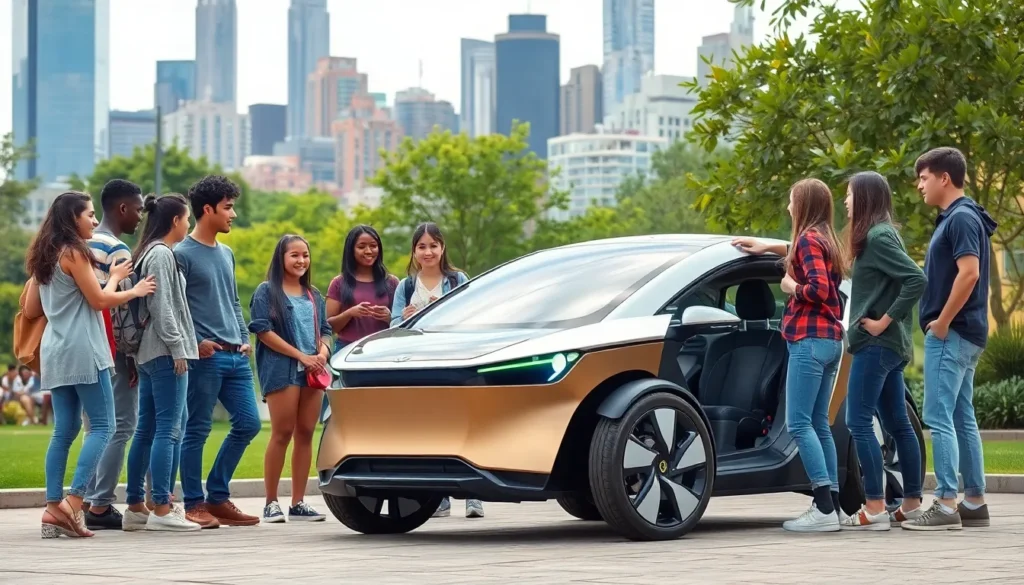
As the clock ticks forward, the future remains a tantalizing mystery, filled with endless possibilities and a sprinkle of chaos. From flying cars to robot butlers, the dreams of tomorrow often seem like a sci-fi movie gone wild. But what if the future isn’t just a whimsical fantasy? What if it’s a carefully crafted landscape shaped by today’s choices?
Understanding Predictions of The Future
Predictions about the future arise from the analysis of current trends, technological advancements, and societal shifts. Experts in various fields utilize data-driven models to forecast potential developments. Economic indicators, climate patterns, and demographic changes create a landscape that shapes these predictions.
Technology plays a significant role in influencing future scenarios. Advances in artificial intelligence, renewable energy, and biotechnology indicate potentially transformative effects on daily life. For instance, sectors like transportation may see electric vehicles becoming the norm as environmental concerns reshape consumer behavior.
Cultural trends also impact future predictions. They suggest shifts in values, driving changes in areas such as work, education, and lifestyle choices. Generational preferences influence the future marketplace, especially as younger demographics prioritize sustainability.
Understanding historical data remains critical for crafting accurate predictions. Analysts study past events to identify patterns and assess their likelihood of recurrence. This approach can provide insight into potential future crises or growth opportunities.
Social dynamics contribute to the complexity of future predictions. Movements advocating for equity and inclusion may alter workforce structures and policies. As public sentiment shifts, organizations adapt, potentially allowing for more innovative solutions to social challenges.
Predictions about the future are multifaceted, incorporating technological, economic, and cultural elements. Through careful analysis of existing data, experts aim to envision scenarios that balance optimism with realism.
Key Areas of Predictions

Predictions about the future focus on several key areas, each influenced by current trends and developments.
Technological Advancements
Technological advancements drive significant changes in various sectors. Innovations in artificial intelligence, machine learning, and automation reshape industries, enhancing productivity. The rise of electric vehicles indicates a shift toward sustainable transportation solutions. Additionally, breakthroughs in biotechnology promise improved healthcare and disease prevention. Experts predict that augmented reality and virtual reality will transform entertainment and education. As technology continues to evolve, society will see a rapid increase in digital connectivity, changing how individuals interact and work.
Environmental Changes
Environmental changes present urgent challenges that affect future predictions. Global warming leads to rising sea levels, which threaten coastal communities. Experts forecast an increase in extreme weather events, influencing agricultural practices and food security. Renewable energy sources, such as solar and wind, gain traction as nations strive for sustainability. Urban areas are likely to implement greener infrastructure in response to climate concerns. Governments and businesses must adapt to these changes to mitigate risks and capitalize on emerging opportunities in a resource-constrained world.
Social Dynamics
Social dynamics significantly shape future predictions as cultural values evolve. Movements advocating for equity and inclusion are gaining visibility, influencing workplace policies and social structures. Generational shifts impact consumer behavior, with younger individuals prioritizing sustainability and ethical consumption. The gig economy continues to expand, altering traditional employment patterns. Additionally, remote work becomes more common, changing how businesses operate and engage with their employees. Understanding these dynamics is essential for predicting societal trends and potential developments for future generations.
Methods of Making Predictions
Making predictions involves various methods that leverage data analysis and expert insights. These approaches combine quantitative and qualitative assessments to better understand potential futures.
Data Analysis and Trends
Data analysis focuses on evaluating current data to identify patterns. Analysts examine economic indicators, climate data, and demographic shifts to forecast future developments. By utilizing statistical models, they can assess historical trends and project potential changes. For instance, tracking electric vehicle adoption rates helps forecast shifts in energy consumption. Recognizing trends in consumer behavior also plays a significant role in understanding market dynamics. Continuous data collection allows analysts to refine their models, improving accuracy over time.
Expert Opinions and Surveys
Expert opinions provide valuable insights based on experience and research. Surveys conducted among industry leaders yield perspectives on emerging trends and challenges. These insights help validate data findings and fill knowledge gaps. Professionals often engage in discussions to assess the implications of technological advancements, such as AI and automation. By synthesizing various viewpoints, predictions become more comprehensive. Survey results often reveal shifts in public sentiment, providing a clearer picture of societal values that influence future decisions.
Implications of Predictions
Understanding the implications of predictions serves as a guide for navigating the complexities of the future. Their potential impact spans numerous areas, influencing decisions and strategies.
Potential Benefits
Predictions enhance planning and decision-making processes. Businesses leverage forecasts to allocate resources effectively, ensuring they’re prepared for market changes. Innovations in technology often emerge from predictions about user needs, driving product development and service improvements. Policymakers utilize forecasts to implement proactive measures addressing societal challenges. Furthermore, communities benefit from predictions related to climate, enabling adaptive strategies for sustainability. In health sectors, predicting disease outbreaks facilitates timely interventions, safeguarding public health. Ultimately, accurate predictions can foster resilience and encourage strategic growth across industries.
Possible Risks
Predictions carry significant risks, primarily when they prove incorrect. Overreliance on forecasts can lead to misguided investments or missed opportunities. Unexpected changes in technology or society may render current models obsolete. Misinterpretations of data can create public panic or misleading narratives, affecting collective behaviors. In addition, predictions focusing solely on short-term trends often overlook long-term consequences. Ethical concerns arise when biases in data influence predictions, leading to societal inequalities. Understanding these risks emphasizes the need for continuous evaluation and adaptation in predictive models.
The future holds both promise and uncertainty shaped by today’s choices. As technology advances and societal values evolve, predictions will continue to play a crucial role in guiding decisions across various sectors. Understanding the interplay of trends and potential challenges is essential for fostering innovation and resilience.
By embracing a balanced approach to forecasting, individuals and organizations can navigate the complexities ahead. This proactive mindset will empower them to adapt to changes and seize opportunities as they arise, ultimately crafting a future that reflects collective aspirations and responsible stewardship.