
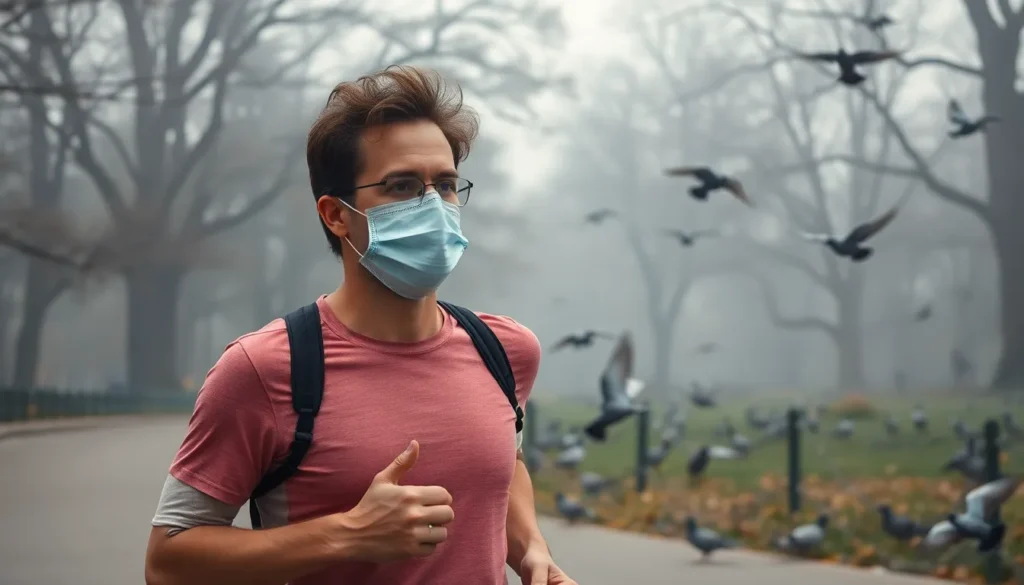
Breathe easy, New Yorkers! Just kidding, because today’s air quality might have you reconsidering your next deep inhalation. If you’ve stepped outside and felt like you were auditioning for a role in a post-apocalyptic movie, you’re not alone. The smog hanging over the city isn’t just a backdrop for your dramatic Instagram stories; it’s a real concern that affects everyone from joggers in Central Park to pigeons trying to catch a breath.
Overview of NYC Air Quality Issues
Current air quality in New York City presents significant challenges. Levels of pollutants such as ozone and particulate matter often exceed safety standards set by the Environmental Protection Agency. Smog envelops the skyline, leading to detrimental health effects for residents and wildlife alike.
Common sources of air pollution include vehicle emissions, industrial discharges, and construction activities. Increased traffic congestion contributes to poor air quality, particularly during peak hours. Outdoor activities become hazardous as air quality deteriorates, impacting joggers in parks and families enjoying the outdoors.
Respiratory problems frequently arise due to high pollution levels. Asthma rates climb as vulnerable populations, including children and the elderly, endure worsening symptoms. Wildlife also suffers; birds and other creatures face challenges in finding clean air and habitats.
Data from the New York State Department of Environmental Conservation indicates that days of unhealthy air quality have risen in recent years. Fluctuations in weather patterns, including heatwaves, exacerbate pollution, trapping harmful particles near the ground.
Public awareness of these issues is crucial. Residents can take action by monitoring air quality reports and adjusting outdoor activities accordingly. Advocacy for stricter regulations on emissions remains vital for improving conditions. Solutions include enhanced public transport options and increased green space, which can help mitigate the harmful impacts of pollution.
Common Factors Affecting Air Quality
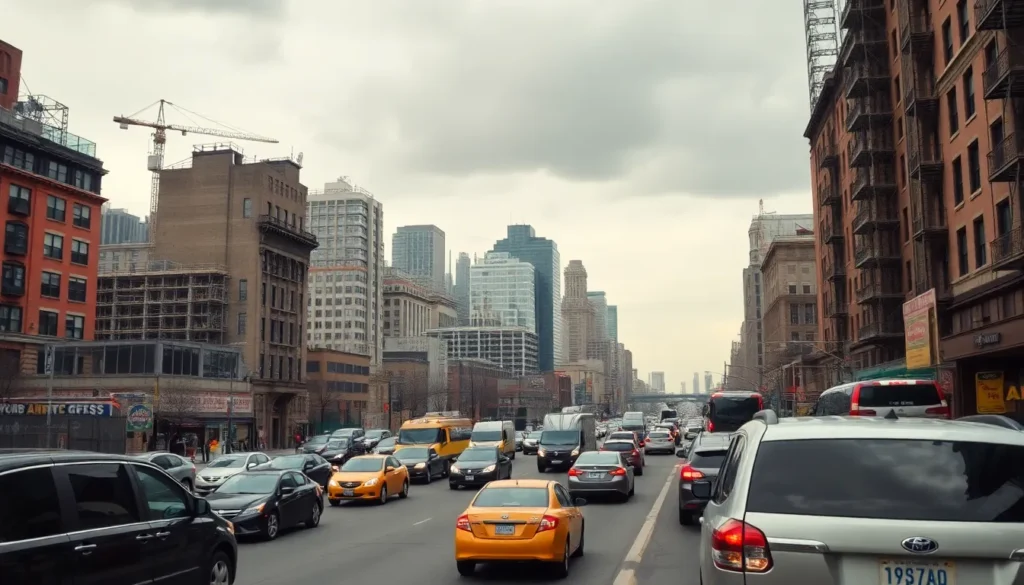
New York City’s air quality suffers from various interconnected factors that contribute to its poor condition.
Pollution Sources
Vehicle emissions rank as a major contributor to air pollution in NYC. Industrial discharges from factories release harmful pollutants into the atmosphere. Construction activities also generate dust and particulate matter that degrade air quality. During rush hours, congestion worsens emissions, resulting in higher levels of toxic substances. Research from the Environmental Protection Agency highlights that ozone and particulate matter often breach safety thresholds. As a result, outdoor activities become hazardous, especially for sensitive groups such as children and the elderly.
Weather Conditions
Weather conditions significantly influence air quality in New York City. Temperature inversions can trap pollutants close to the ground, causing a buildup of smog. High humidity often exacerbates the effects of air pollution, leading to poorer visibility and increased health risks. Wind patterns also play a role in dispersing or concentrating pollutants. Fluctuating weather, exacerbated by climate change, impacts the frequency of unhealthy air days. The New York State Department of Environmental Conservation tracks these changes, underscoring the importance of staying informed about daily air quality levels.
Recent Events Impacting Air Quality
Recent events significantly influence air quality in New York City. Understanding these factors requires examining the most pressing issues.
Wildfires and Their Effects
Wildfires, particularly from distant regions, release smoke and particulate matter that drift into New York City. Elevated levels of fine particles can dominate the air, leading to unhealthy conditions for residents. Smoke plumes have been tracked across multiple states, bringing pollutants to urban areas. During wildfire season, this pattern often escalates, adversely affecting respiratory health. Vulnerable groups such as children and the elderly face heightened risks in these situations. Monitoring air quality becomes crucial as smoke can linger, influencing daily life in the city.
Traffic and Urban Development
Traffic congestion stands as a prominent contributor to air quality issues. Increased vehicle emissions during peak hours amplify pollutant levels, impacting health and visibility. Urban development plays a role as well, leading to construction dust and emissions. Busy streets filled with heavy traffic exacerbate pollution levels, creating hazardous conditions for outdoor activities. Residential areas near major thoroughfares often report poorer air quality. Public transport enhancements and urban planning strategies aim to mitigate these effects, promoting cleaner air for all residents.
Health Implications of Poor Air Quality
Poor air quality in New York City poses serious health risks to residents. Exposure to elevated levels of pollutants, like ozone and particulate matter, increases the likelihood of respiratory issues. Pollutants aggravate conditions such as asthma and chronic obstructive pulmonary disease. Vulnerable populations, including children and the elderly, face heightened risks.
Elevated pollution levels lead to acute health effects, manifesting as cough, throat irritation, and shortness of breath. Long-term exposure may result in more severe consequences, including reduced lung function and increased cardiovascular problems. Studies show a correlation between air quality and hospital admissions for respiratory emergencies.
Wildlife also experiences detrimental impacts due to the city’s air quality. Birds and other animals struggle to thrive, as polluted environments hinder their ability to find food and shelter. A decline in healthy ecosystems can affect biodiversity, creating additional challenges for urban wildlife.
Monitoring air quality becomes crucial for individuals and families. Resources like the New York State Department of Environmental Conservation provide real-time updates, helping citizens stay informed about current conditions. Adjusting outdoor activities based on air quality reports can mitigate health risks.
Advocacy for stricter air quality regulations remains essential. Collaborative efforts between city officials, environmental organizations, and residents can drive changes that improve air quality over time. Promoting public transportation, increasing green spaces, and reducing vehicle emissions can contribute positively to the city’s overall health.
Efforts to Improve Air Quality in NYC
New York City employs various strategies to tackle poor air quality. Promoting public transportation significantly decreases vehicle emissions. Expanding the subway system and increasing bus services encourage residents to use alternatives to private vehicles. Implementing congestion pricing also reduces vehicular traffic in crowded areas, helping to lower pollution levels.
Increasing green spaces throughout the city plays a crucial role in improving air quality. Trees and plants absorb pollutants while providing cleaner air for residents and wildlife. Initiatives like tree planting programs contribute to creating healthier environments in urban neighborhoods.
Regulatory frameworks established by city officials aim to curtail emissions from industrial operations and construction activities. Stricter emissions standards encourage businesses to adopt cleaner technologies. Compliance with these regulations protects residents from hazardous air exposure.
Community engagement enhances awareness about air quality issues. Local organizations often provide resources and education to help residents understand the importance of monitoring air quality. Regular workshops and online platforms keep residents informed about current conditions and health advisories.
Collaborative projects among environmental organizations, government agencies, and schools also demonstrate a commitment to improving air quality. These partnerships promote research that informs policy decisions and encourages community involvement. Efforts to advocate for cleaner energy sources further support the transition to a more sustainable urban environment.
Investing in infrastructure, such as electric vehicle charging stations, supports the shift toward greener transportation options. Encouraging the use of bicycles and walking provides additional avenues for reducing pollution. By implementing these strategies, New York City aims to enhance air quality, ensuring a healthier future for its residents and wildlife.
New York City’s air quality remains a pressing issue that affects both its residents and wildlife. With pollution levels often exceeding safety standards, the health risks are significant, particularly for vulnerable populations. The combination of traffic congestion, industrial emissions, and adverse weather conditions exacerbates the problem.
Efforts to improve air quality through public transportation initiatives and increased green spaces are crucial. Community engagement and advocacy for stricter regulations can drive meaningful change. As New Yorkers navigate these challenges, awareness and proactive measures will be essential for fostering a healthier environment for all.